The public sector helps millions of South African citizens in important ways, but it also gives its workers bigger pay raises. The widening gap between rich and poor has sparked new conversations about fairness and budget, the government’s budget priorities, and how wealth is spread across the country.
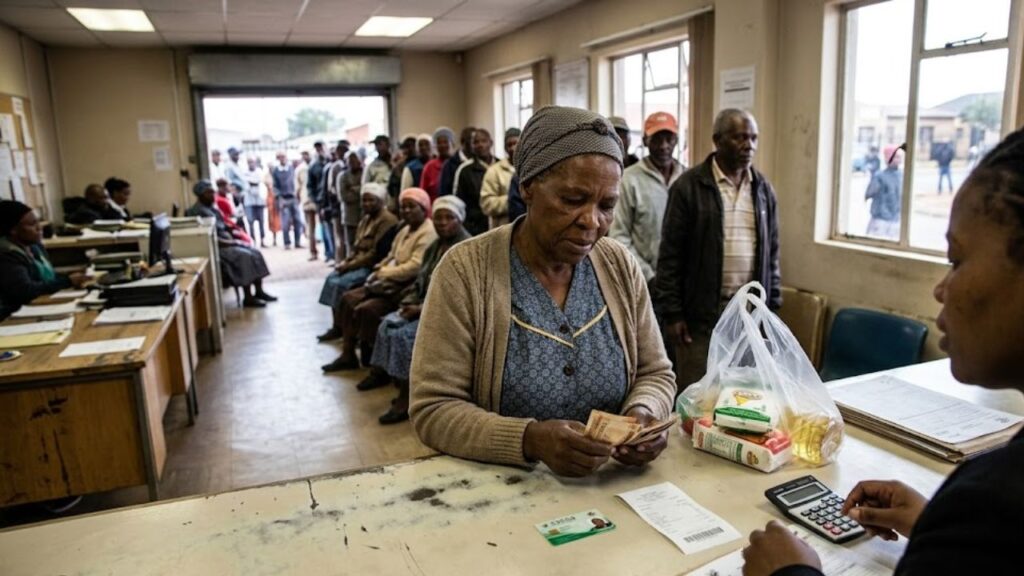
Small increases for people who get grants
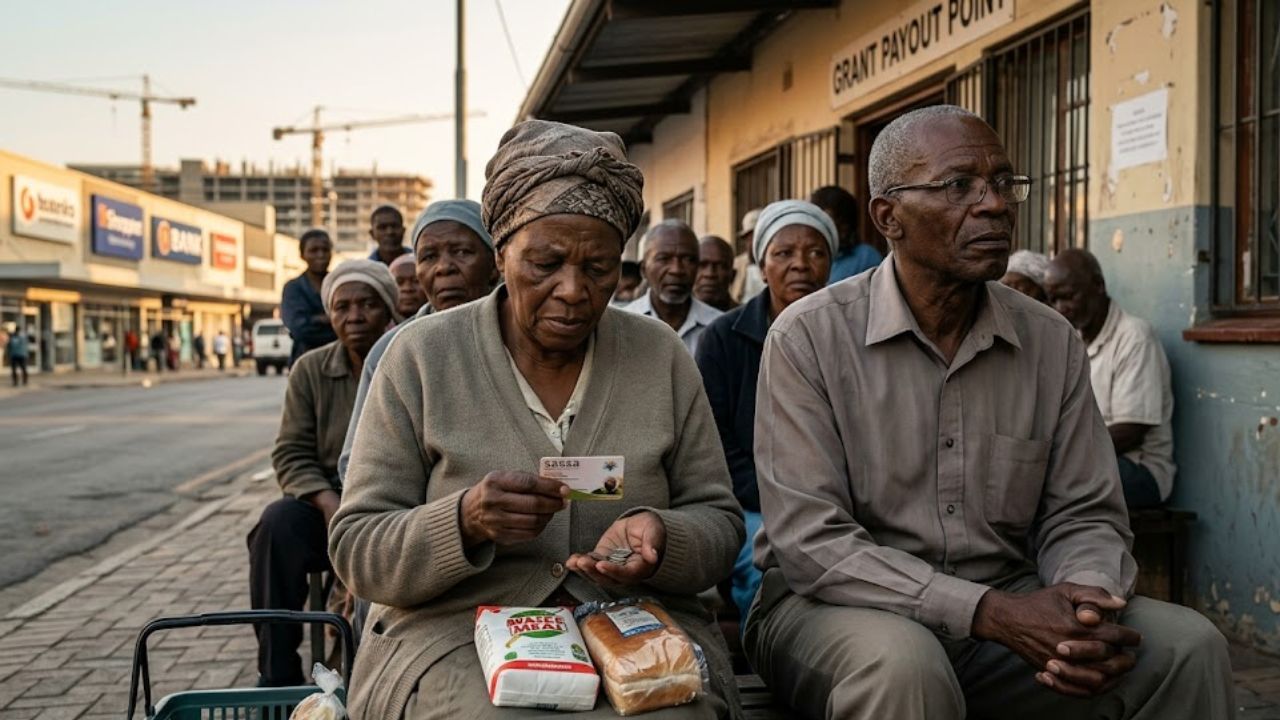
In the 2026 budget, the government said that social grants would only get small increases in funding. The government raised the Old Age Disability and Care Dependency grants by R80 a month, but the Child Support Grant got an even smaller raise. The small changes don’t help families much, since they already have to pay more for food electricity and transportation.
Officials say that the increases in grants were in line with inflation rates but critics say that the extra money doesn’t really help the people who get the grants. The basic costs of living keep going up, which means that people who get benefits lose the extra money they need to pay for basic needs daily.
Better Wage Growth in the Public Sector
Multi-year wage agreements give public servants bigger pay raises than what grant recipients get. The monthly paychecks of government workers are higher than the total annual income of people who get grants.
This economic difference has brought attention to the extent of income inequality levels. Government workers who provide public services are very important to society, but analysts are finding it harder and harder to ignore how much money they make compared to the poorest people in the country.

Effects on the economy and society
The growing gap has social effects that go beyond its immediate effects today. Millions of elderly people, people with disabilities, and caregivers who depend almost entirely on this income get help from social grants system. The public sector is having money problems because the increases in grants don’t keep up with the increases in salaries for other workers.
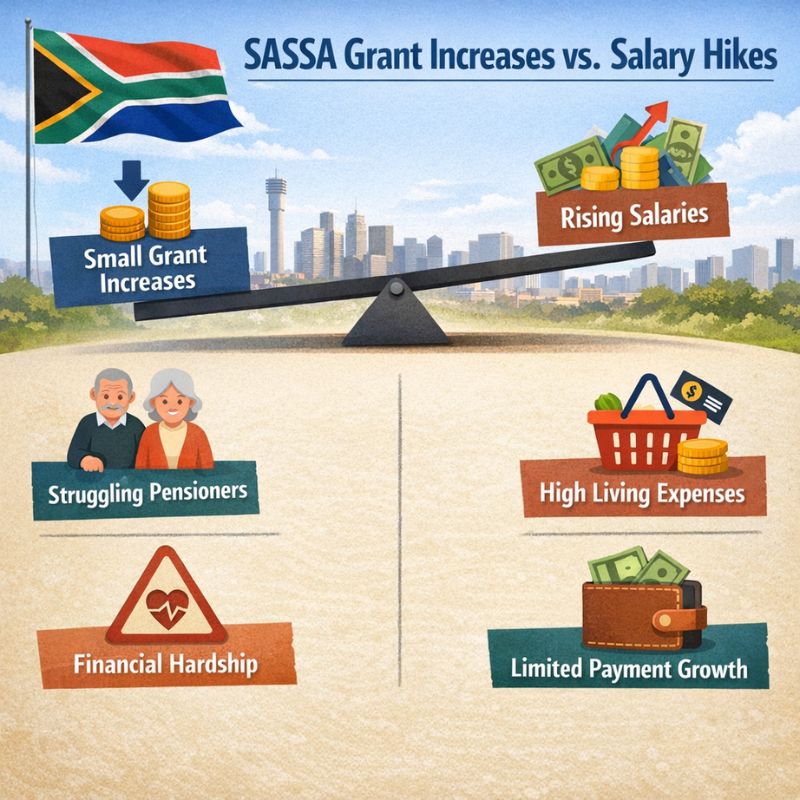
People who support the government’s plan say that the government needs to be responsible with public money and that there are fiscal pressures. But critics say that social grants need to be changed more strongly to keep vulnerable groups from falling even further behind financially in society.