The recent rise in the Lesedi Power tariff has officially gone into effect in South Africa after getting the green light from NERSA. This has caused a lot of worry among households. This change will make electricity bills higher for consumers, which will put even more strain on their already tight budgets. Many families are looking for ways to adapt and better manage their money as energy costs keep going up across the country. Every household in South Africa needs to know what this tariff change means, why it was approved, and how it will affect daily life.
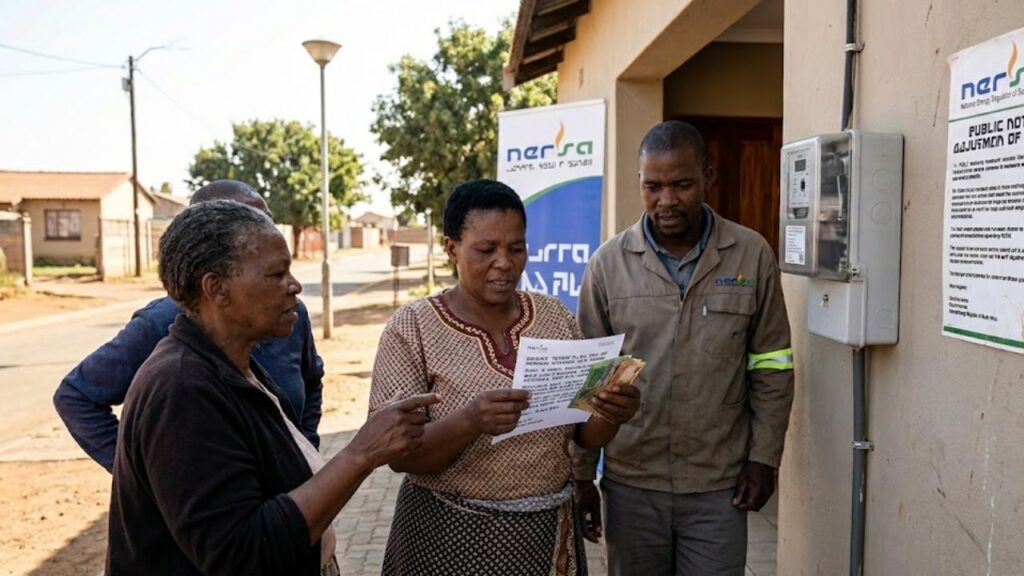
Lesedi Power Tariff Increase and Its Impact on Households
The approved increase in the Lesedi Power tariff is likely to have a big effect on everyday people, especially those who are already having trouble with rising living costs. As higher electricity bills become unavoidable for many struggling families, a lot of families may need to change how they use energy. The main reasons for the rise are higher energy costs and the demands of running a business. This change could make it harder for low- to middle-income families to stick to their monthly budgets, making household budgeting harder than ever. Also, the growing interest in “energy consumption habits” may make families more likely to adopt better habits to help with the cost.
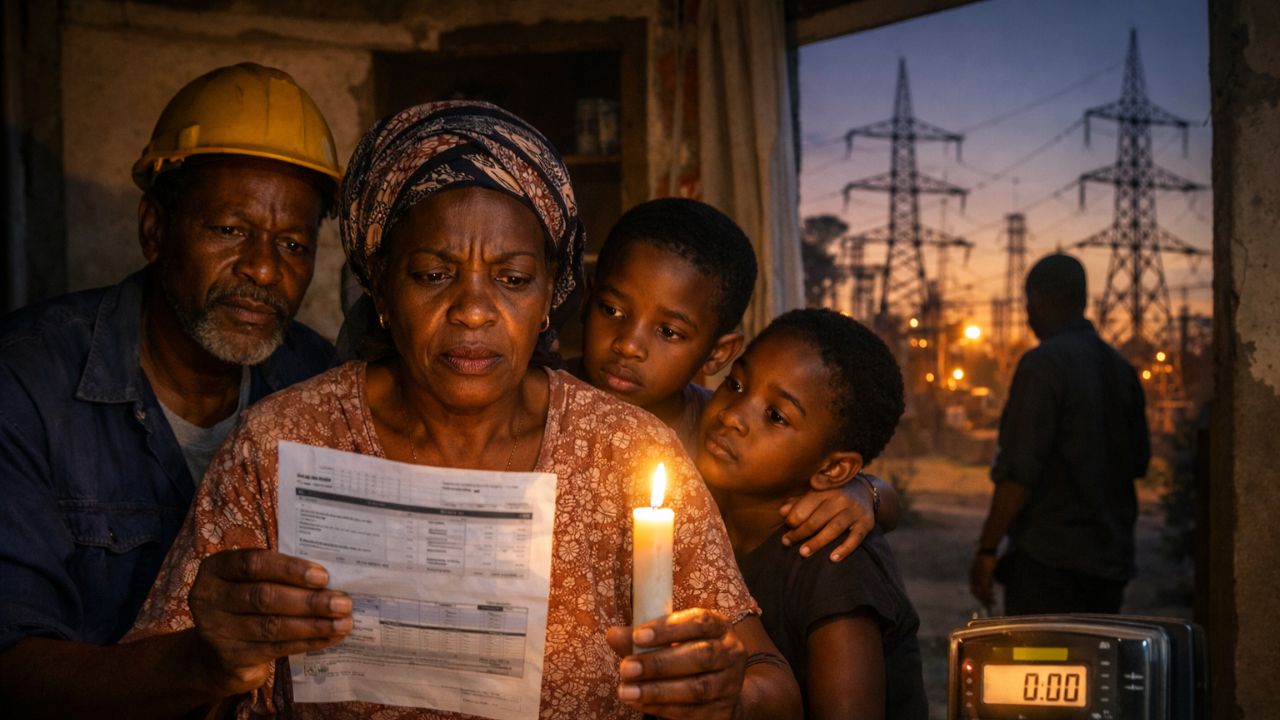
NERSA Approval Behind the Lesedi Tariff Adjustment
The National Energy Regulator of South Africa (NERSA) has played a big part in making this tariff change happen. The regulator gave Lesedi Power’s proposal the green light for the NERSA tariff based on a number of important factors, such as the need to keep infrastructure in good shape and ensure a stable supply. The choice is in line with broader standards for the regulatory decision process that try to find a balance between protecting consumers and keeping providers in business. Critics, on the other hand, say that electricity prices keep going up faster than wages, which makes it harder for people to afford them. Still, officials stress that these changes are needed to make sure that the region has a stable power supply.

How Consumers Can Handle the Rise in the Lesedi Power Tariff
People are looking for ways to lower their electricity bills now that the Lesedi Power tariff increase is in effect. Over time, small changes like using energy saving tips can make a big difference over time. Using appliances wisely and buying “efficient home appliances” can help you use less energy overall. Many families are also using “alternative energy sources,” like solar power, to save money in the long run. Also, keeping track of how much they use each month helps families find ways to save money, which helps them stay in control even when prices go up.
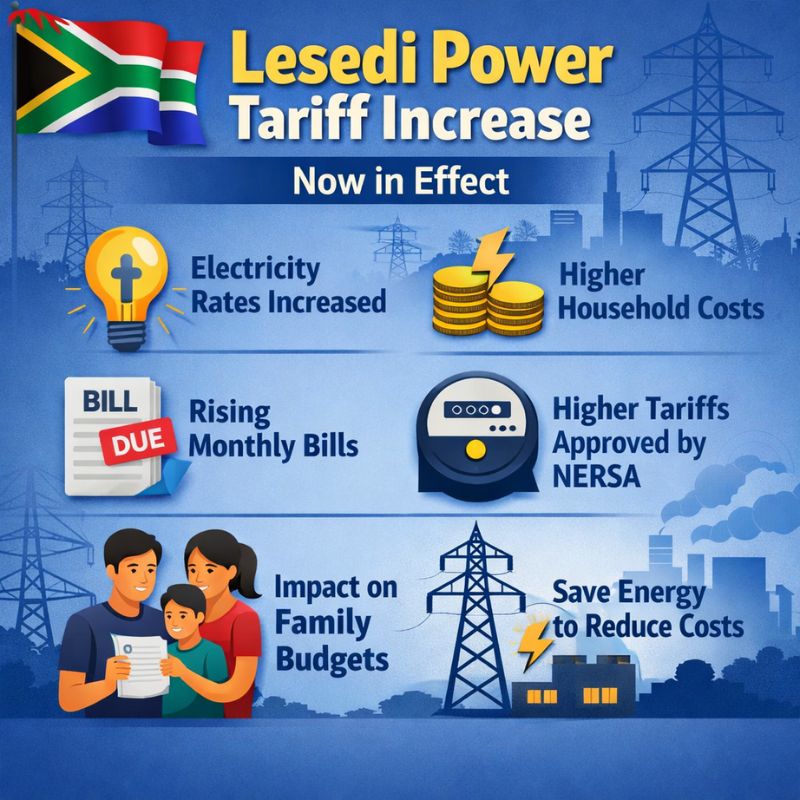
Getting the Big Picture of Changes in Electricity Tariffs
The rise in the Lesedi Power tariff is part of a larger trend in South Africa’s energy sector, where rising costs and infrastructure needs are affecting how prices are set. These changes can seem like a lot to handle, but they also encourage people to use energy more wisely and in a way that will last. Households can slowly get used to the new prices by focusing on long-term savings and better energy usage planning habits. People are better able to understand why changes to energy policy happen when they know more about them. In the end, households can better deal with these problems by using cost control strategies and knowing about consumer energy rights.
Common Questions (FAQs)
1. What is the rise in the Lesedi Power tariff?
It is a rise in electricity rates that NERSA has approved and will affect homes in South Africa.
2. What made NERSA agree to the higher rates?
 Pension Backlog Relief 2026: Seniors Receive Overdue Grant Payments With Updated Timelines
NERSA approved it to help with infrastructure, upkeep, and a steady supply of electricity.
3. What will this do to my monthly bills?
Depending on how much they use, consumers can expect to pay more for electricity.
4. How can families lower their electricity bills?
By using appliances that use less energy and keeping a close eye on how much energy you use.